Monitor delivery against plan and identify pacing risks before underdelivery, overspending, or missed goals impact campaign performance.

Most campaigns don't suddenly fall behind plan. Delivery gaps usually develop gradually and become visible only after valuable time has been lost.
Most pacing issues begin as small delivery gaps that appear harmless at first. A campaign may underdeliver slightly during the first days of a flight, inventory availability may change, audience reach may become constrained, or platform delivery may slow unexpectedly. Individually, these changes rarely trigger concern.
Because pacing is often reviewed periodically rather than continuously, small shortfalls can accumulate for days or weeks before they attract attention. By the time underdelivery becomes obvious, teams may have limited options available to recover lost volume and achieve planned goals.
Media plans are ultimately measured against delivery goals, not daily performance snapshots. The challenge is recognizing delivery risks early enough to adjust budgets, inventory, targeting, or campaign settings before the gap becomes difficult to close.
Most teams monitor campaign performance every day but review pacing less frequently. As a result, delivery gaps can accumulate gradually before they become visible enough to trigger action.
Media plan pacing depends on more than delivery volume. Azulens monitors delivery progress, budget pacing, and inventory constraints to identify risks before campaigns fall behind plan.
Azulens continuously monitors planned volume, delivered volume, flight progress, projected completion, and remaining delivery targets. This helps teams identify pacing risks before delivery gaps become difficult to recover.
Budget burn rates, allocation changes, underspend risk, and overspend risk are analyzed to ensure campaigns remain aligned with media plan objectives throughout the flight.
Audience limitations, inventory availability, reach constraints, and platform-specific delivery bottlenecks can all affect pacing. Azulens identifies these risks early so teams have time to adjust before campaign goals are impacted.
Successful media plans depend on understanding where delivery is heading, not just where delivery stands today.
Azulens continuously compares planned delivery against projected outcomes and surfaces pacing risks before campaign goals are impacted.
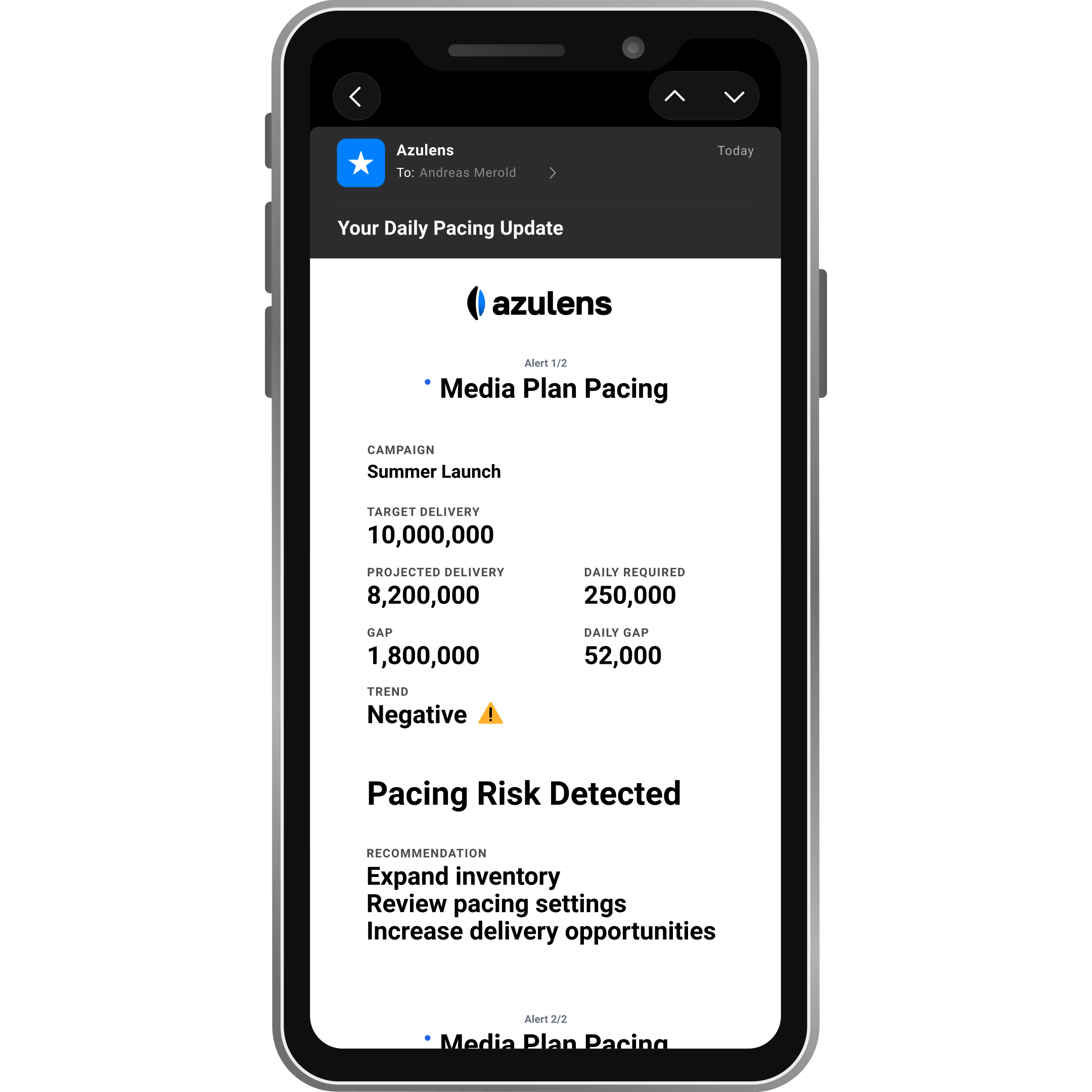
Campaign pacing issues rarely appear as obvious failures. Most delivery shortfalls develop gradually over the course of a flight, making them difficult to identify through periodic reviews alone. Teams often see current delivery metrics but lack visibility into where delivery is projected to end.
Without forecasting and continuous monitoring, underdelivery may only become visible once a significant portion of the campaign has already passed. At that point, recovery options can become increasingly limited.
Media plan pacing alerts help teams identify delivery risks early, understand the potential impact on campaign goals, and take corrective action while there is still time to influence outcomes.
Identifying a pacing risk is only the first step. Teams still need to understand why delivery is falling behind and what actions can bring the campaign back on track.
Knowing that a campaign is likely to miss plan is valuable, but understanding the cause of the shortfall is what enables teams to take corrective action. Underdelivery can result from audience constraints, limited inventory, pacing settings, budget allocation decisions, or changes in platform delivery behavior.
Once a pacing risk is identified, teams need visibility into the underlying drivers of the forecast. Understanding why delivery is projected to fall short helps prioritize the most effective actions and prevents unnecessary adjustments.
Azulens provides the context behind every pacing alert, helping teams investigate delivery forecasts, evaluate potential risks, and determine the best path toward achieving media plan goals.
Instead of reacting to missed goals, teams can understand pacing risks early and take action while there is still time to influence campaign outcomes.
The difference between a successful media plan and a missed goal is often how quickly delivery risks are identified and addressed.
Most media plans don't fail because of one major issue. They fail because small delivery gaps accumulate over time. A campaign that is slightly behind pace today may appear healthy, but that same gap can become increasingly difficult to recover as the flight progresses.
Traditional pacing reviews often focus on current delivery rather than projected outcomes. While current performance may appear acceptable, forecasts can reveal risks long before they become visible in reporting.
Continuous pacing visibility helps teams identify delivery risks sooner, prioritize corrective actions, and maintain alignment with media plan objectives throughout the campaign lifecycle.
The goal isn't simply measuring delivery. It's identifying pacing risks early enough to influence the final outcome.
Tell us about your campaigns and we'll take it from there. We connect your accounts, set everything up, and get you to where you can see exactly what needs attention.
